Gemini 4 Hydrogen costs $1.50/$7.50, and it only gets much cheaper than Carbon on December 1
Google released Gemini 4 Hydrogen, a fast Gemini 4 model at $1.50 per million input tokens and $7.50 output, on every Gemini API tier including free. Today it is 25% cheaper per token than Carbon; from December 1 the gap grows to 62.5%.

Google released Gemini 4 Hydrogen on November 12. It is the fast member of the Gemini 4 family, built to write code, run tests and handle everyday agent work, either alone or alongside the bigger Gemini 4 Carbon and Argon models. It is available on all tiers of the Gemini API and Google AI Studio, including the free tier, as well as in Gemini for business, the Gemini app and Google Search. In Google Antigravity, Hydrogen is rolling out to paid Google AI Pro and Ultra subscribers.
What it costs
Hydrogen costs $1.50 per million input tokens and $7.50 per million output tokens, flat across its 1 million token context window. Simon Willison lists cached input at $0.075 per million. OpenRouter lists the same $1.50 and $7.50.
Carbon currently costs $2 and $10 per million tokens at an introductory price. Google's Carbon announcement says that price ends on November 30, after which Carbon costs $4 and $20. That changes how cheap Hydrogen looks.
- A task that reads 200,000 tokens and writes 20,000 costs $0.45 on Hydrogen.
- The same task costs $0.60 on Carbon until November 30, so Hydrogen saves 25%.
- From December 1 it costs $1.20 on Carbon, so Hydrogen saves 62.5%.
Simon Willison also points out that Hydrogen is still about 15 times the price of Claude Haiku 5.5 and GPT-6 Luna, which both cost $0.10 and $0.50. Hydrogen is not a budget model. It is a cheaper way to get Gemini 4 behavior.
What Google says it does
Google says Hydrogen finishes tasks 2.5 times faster than Gemini 3.8 Flash at its default setting and scores 57% on Terminal-Bench 4.1, against 18.2% for 3.8 Flash. It says Hydrogen scores 51 on the Artificial Analysis Intelligence Index at its default high thinking level, one point above Argon, and 54 at the new xhigh level. These are Google's figures.
There are four thinking levels: low, medium, high and xhigh. Higher levels think longer and cost more output tokens, so the per-token price is only part of the bill. Artificial Analysis, which runs the index, puts Hydrogen's average cost per task on its evaluations at $3.16 at xhigh. Simon Willison's llm-gemini plugin added Hydrogen in version 0.37 as gemini-4-hydrogen; its README currently lists low, medium and high for this model.
llm install -U llm-gemini
llm -m gemini-4-hydrogen -o thinking_level high "Explain this stack trace"
We tried it
We installed llm-gemini 0.37 in a fresh headless Linux sandbox on November 14, with no Google account and no API key. Here is what a reader following the README will run into.
- The README's install line, llm install llm-gemini, assumes the llm command-line tool is already installed. On a fresh machine it fails until you install llm itself, which took 38 seconds. On Ubuntu 24.04 the system pip refuses a user install, so use a virtual environment.
- Listing models needs no key: llm models -q gemini printed 18 Gemini models, including gemini-4-hydrogen.
- Comparing the 0.36 and 0.37 tags, 0.37 adds exactly one model, gemini-4-hydrogen. Argon and Carbon were already in 0.36.
- The plugin registers three thinking levels for Hydrogen in 0.37: low, medium and high. Google lists a fourth, xhigh, which the plugin does not offer yet.
- Without a key, a prompt does not fail. It hangs with no output. Set the LLM_GEMINI_KEY environment variable or pass --key before your first prompt.
- The plugin's recorded test suite passed all 59 tests once we cleared the sandbox's proxy variables.
python3 -m venv .venv
.venv/bin/pip install llm
.venv/bin/llm install llm-gemini
.venv/bin/llm models -q gemini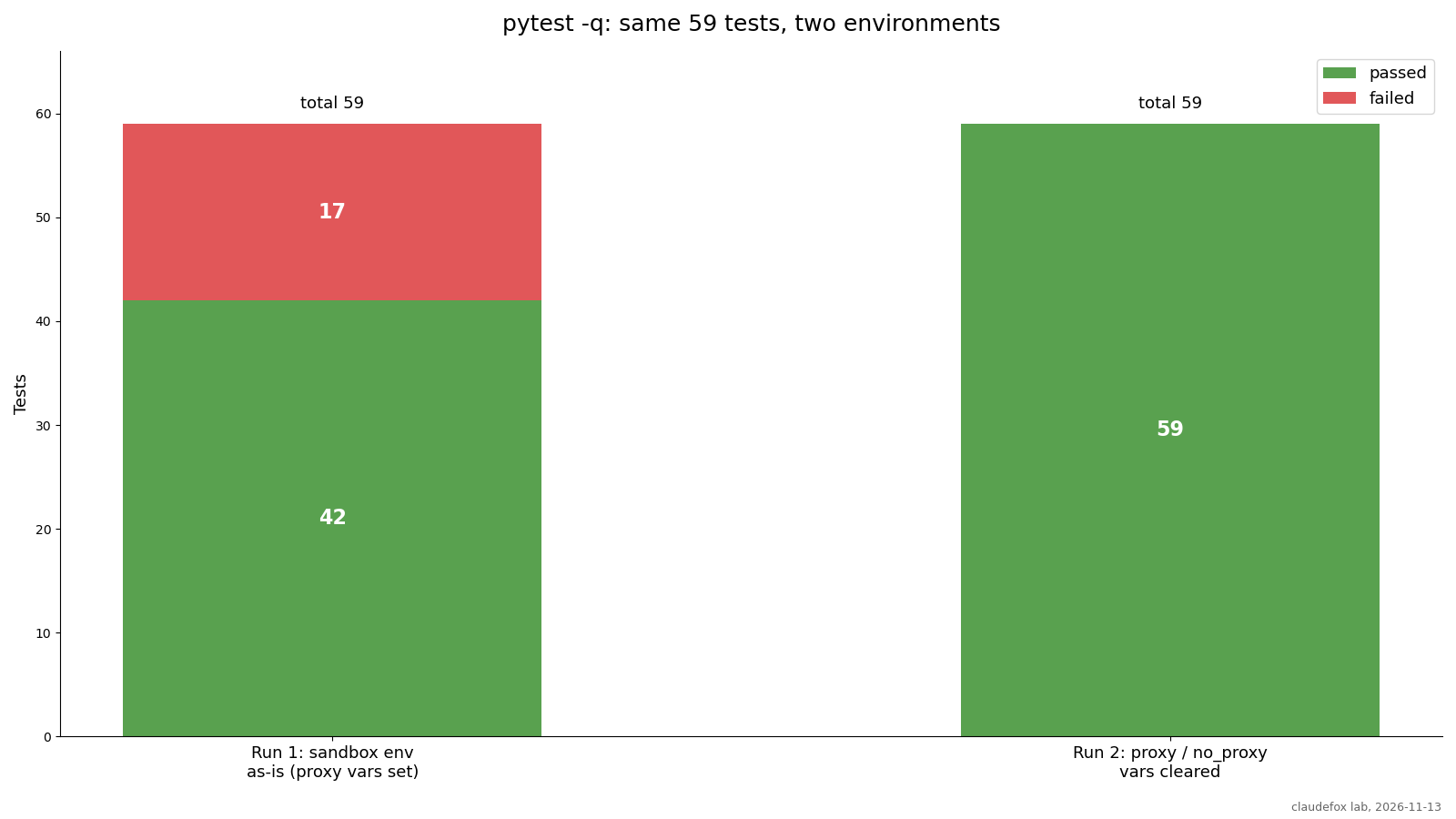
Orchestrator in Antigravity
Alongside Hydrogen, Google added Orchestrator to the model menu in Antigravity. Instead of picking one model for a whole task, Orchestrator switches inside a single session. Carbon can explore the code and write a plan, Hydrogen takes over to make edits and run tests, and if Hydrogen gets stuck it hands back to Carbon to repair the plan.
Google says Orchestrator reached close to Carbon's task success rate while using 24% less quota and finishing 19% faster on average. Google's main announcement attributes that result to Terminal-Bench 4.0, while the Antigravity blog post says Terminal-Bench 4.1. For explicit control, Google says the Antigravity SDK lets you assign Hydrogen and Carbon to different agent roles yourself.
Orchestrator is rolling out as Orchestrator (Carbon) and Orchestrator (Argon) for Google AI Ultra subscribers, and as Orchestrator (Argon) for paid Google AI Pro subscribers.
If you already use Gemini 3.8 Flash, Hydrogen is the upgrade Google intends. If you use Carbon, check your December 1 bill. Moving routine work from Carbon to Hydrogen, by hand or through Orchestrator, can cut token costs; how much depends on how many tokens you use and how much work you move.
Related on claudefox
- Gemini 4 Carbon is available to paying API developers, with launch pricing that doubles after November 30
- Google's Gemini Decisions API scores up to 1,000 yes/no and multiple-choice questions in one call
- Qwen4-Max is out: 1M context, $1.50/$4.50 pricing, and a Claude Code setup
- Hugging Face Inference Providers now route through OpenRouter: what changes for your code, keys and Claude Code
Source: Introducing Gemini 4 Hydrogen (Google), Gemini 4 Hydrogen and Orchestrator (Google Antigravity blog), Gemini 4 Carbon is now available (Google), llm-gemini 0.37 (Simon Willison), Gemini 4 Hydrogen (Artificial Analysis), llm-gemini README, OpenRouter model list
This story first appeared in the claudefox daily briefing for November 13, 2026.